






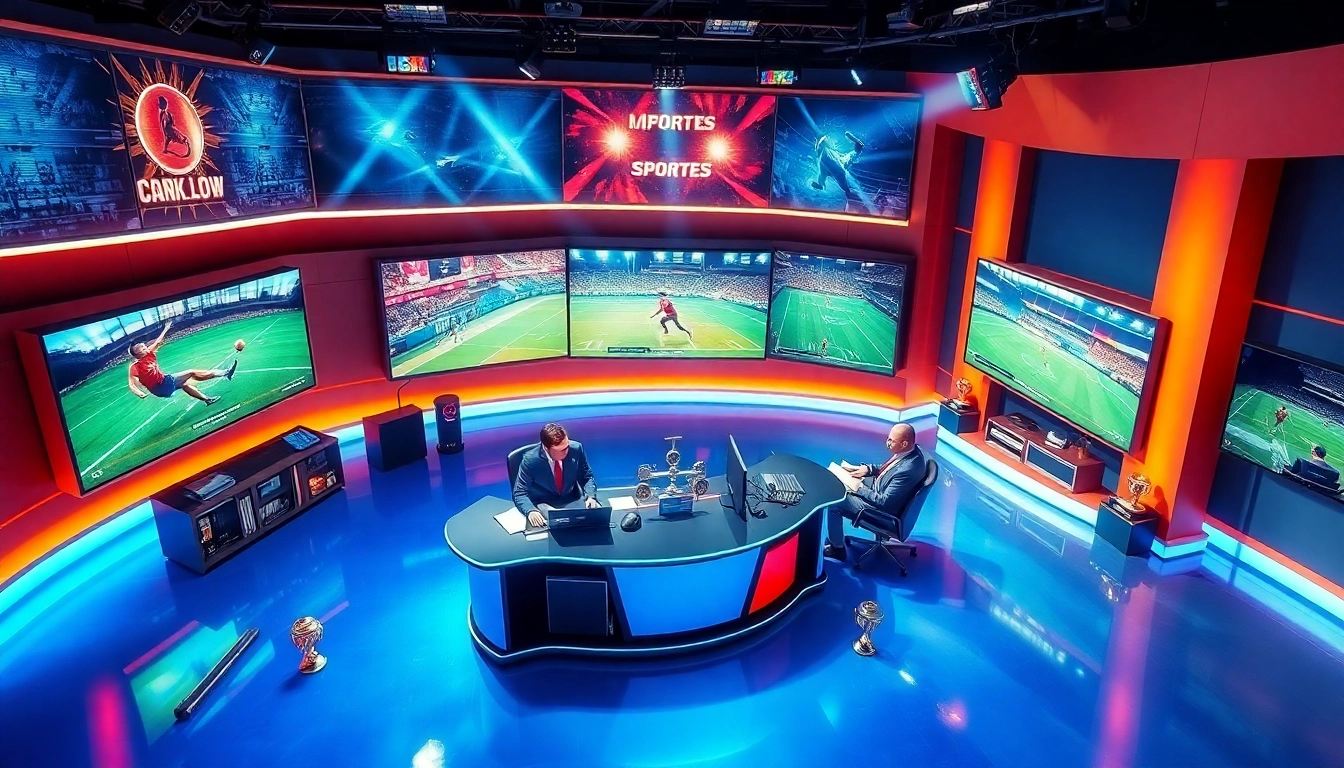
Understanding the Basics of Sports Broadcasting
What is Sports Broadcasting?
At its core, Sports Broadcasting encompasses the live transmission of sports events over various platforms, allowing fans to witness their favorite teams and athletes in action. This phenomenon is not limited to traditional television and radio; it has evolved significantly with the rise of digital platforms. With the advent of online streaming services, Sports Broadcasting is now more accessible than ever, offering viewers a plethora of options to engage with live content. Whether it’s football, basketball, motocross, or esports, audiences can now tune in from virtually anywhere across the globe.
Types of Sports Broadcasting Formats
Sports Broadcasting can be categorized into several formats, each bringing its own flavor to how fans consume content. Here are some of the most prevalent types:
- Live Telecasts: Traditional broadcasts that involve real-time coverage of events.
- Radio Broadcasting: Audio coverage that allows fans to follow events through commentary.
- Online Streaming: Platforms that offer live broadcasts with additional features such as multiple camera angles and interactive content.
- Highlight Shows: Summaries of key moments, usually aired after the events.
- Commentary and Analysis Programs: Shows that provide insights, expert opinions, and analysis of games and tournaments.
The Role of Technology in Sports Broadcasting
Technological advancements have played a pivotal role in shaping the future of Sports Broadcasting. From high-definition cameras capturing every play to innovative graphics enhancing viewer understanding, technology serves as the backbone of modern broadcasting. Furthermore, tools such as drones for aerial views and sophisticated sound systems contribute to an immersive experience. Consumer preferences continue to evolve, necessitating broadcasters to integrate cutting-edge technology that not only enhances the viewing experience but also maximizes engagement.
Key Players in the Sports Broadcasting Industry
Major Networks and Their Influence
The landscape of Sports Broadcasting is dominated by major networks that heavily influence how sports are consumed. These networks invest billions in rights fees to secure broadcasting deals, and their reach allows them to shape public perceptions of sports. Their considerable resources enable them to produce high-quality content and attract top-tier talent for commentary and analysis. The interplay between content production and distribution creates a powerful synergy that enables these networks to dominate viewership ratings.
Independent Broadcasters and Niche Markets
While major networks carry significant weight, independent broadcasters have carved niches that cater to specific audience segments. These broadcasters often specialize in lesser-known sports or regional events, delivering content that major networks may overlook. By focusing on niche markets, these independent entities foster a loyal viewer base and contribute to broader diversity in Sports Broadcasting.
The Rise of Online Streaming Platforms
Online streaming platforms have disrupted traditional broadcasting models by providing flexible viewing options to consumers. Services such as subscriptions and pay-per-view models allow fans to engage with content on their terms. The increasing popularity of these platforms can be attributed to their ability to offer extensive archives of past events alongside live broadcasts. Moreover, online streaming is frequently accompanied by enhanced interactivity, providing a more immersive viewing experience.
Innovative Technologies Transforming Sports Broadcasting
Virtual and Augmented Reality in Broadcasting
Virtual reality (VR) and augmented reality (AR) are increasingly being integrated into Sports Broadcasting. These technologies create immersive environments that enhance the viewer’s experience. For instance, AR can overlay stats, graphics, and in-game enhancements that provide fans with critical context during live events. Similarly, VR allows fans to feel as though they are part of the action, offering experiences that elevate viewer engagement beyond traditional broadcasting.
Data Analytics and Viewer Engagement
Data analytics is transforming how broadcasters understand viewer preferences and behaviors. By leveraging metrics from various sources, broadcasters can tailor their content to match audience demands, enabling a more targeted approach to viewer engagement. Insights gained can guide strategies in scheduling, marketing, and content production. As the industry pivots towards a more data-driven model, broadcasters that harness analytics effectively will stand a better chance in retaining viewer interest.
High-Definition and 4K Broadcasting Trends
The transition to high-definition and 4K broadcasting represents a leap forward in visual quality. This trend not only enriches the viewing experience but also raises expectations among fans regarding content quality. As more sports and events are broadcast in 4K, it reinforces the importance of advanced production techniques and the need for broadcasters to invest in high-performance equipment, ultimately improving viewer satisfaction.
Challenges Facing Sports Broadcasting Today
Competition with Digital Platforms
In the face of fierce competition from digital platforms, traditional broadcasters are confronted with numerous challenges. Digital platforms offer a variety of content that caters to diverse preferences, often available on-demand. This flexibility attracts younger audiences who prioritize accessibility and convenience, compelling traditional broadcasters to reassess their strategies in order to stay relevant.
Regulatory and Rights Issues
Navigating the complex landscape of sports broadcasting rights presents a consistent challenge. Regulatory bodies establish frameworks that can affect broadcasting agreements and distribution rights. Keeping abreast of changing regulations requires broadcasters to be agile and adaptive, ensuring compliance while maximizing opportunities in the market.
Maintaining Viewer Engagement in a Changing Landscape
As viewer preferences evolve, maintaining engagement becomes increasingly difficult for broadcasters. Factors such as viewer fatigue, content saturation, and the rising popularity of alternative entertainment mediums require broadcasters to innovate continually. Developing interactive content, capitalizing on current trends, and fostering community engagement are vital strategies to keep audiences connected.
The Future of Sports Broadcasting: Predictions and Strategies
Embracing New Technologies for Growth
The horizon of Sports Broadcasting presents an excellent opportunity for growth through the integration of new technologies. By embracing AI, machine learning, and cloud computing, broadcasters can streamline production processes, enhance the quality of their broadcasts, and improve overall operational efficiencies. Such advancements will be crucial in adapting to the future demands of viewers.
Strategies to Enhance Audience Engagement
To cultivate audience engagement, sports broadcasters must prioritize delivering value beyond standard broadcasts. This can include creating interactive content experiences, personalized viewing options, and community-building initiatives that foster a sense of belonging among fans. Collaboration with social media influencers and engaging in cross-platform promotions can also amplify reach and enhance engagement efforts.
Future Trends to Watch in Sports Broadcasting
The future of Sports Broadcasting will likely be characterized by a continued convergence of technology and user experience. Trends like personalized content delivery facilitated by AI, the integration of VR and AR experiences, and the further expansion of mobile streaming are all indicative of the direction in which the industry is headed. Broadcasters that can adapt and innovate will remain competitive amid these changes.
FAQs
What is Sports Broadcasting?
Sports broadcasting involves the live transmission of sports events via television, radio, and online platforms, allowing fans to watch or listen to games as they happen.
How have streaming services impacted Sports Broadcasting?
Streaming services have introduced significant competition for traditional broadcasters, offering greater accessibility and on-demand viewing for fans.
What technologies are shaping the future of Sports Broadcasting?
Augmented reality, virtual reality, and advanced analytics are becoming common in sports broadcasting, enhancing viewer engagement and experience.
What are common challenges in Sports Broadcasting?
Challenges include intense competition from digital platforms, regulatory issues, and maintaining viewer interest amid changing consumption habits.
How can sports broadcasters increase audience engagement?
They can increase engagement by utilizing interactive features, personalized content, and leveraging social media to connect with viewers.